


Runner Massage Benefits: Unlocking the Power of Sports Massage for Runners
Running is a demanding sport that places significant stress on muscles, joints, and connective tissues. Whether training for a marathon or enjoying regular jogs, runners often face muscle tightness, soreness, and risk of injury. One effective way to support recovery and enhance performance is through sports massage. This therapy targets the specific needs of athletes, helping them maintain peak condition and reduce downtime caused by injuries.
Understanding Runner Massage Benefits
Sports massage is a specialized form of massage therapy designed to address the physical demands of athletic activity. For runners, it focuses on muscles heavily used during running, such as the calves, hamstrings, quadriceps, and lower back. The benefits of sports massage for runners extend beyond simple relaxation. It promotes blood flow, reduces muscle tension, and improves flexibility.
Some key runner massage benefits include:
Enhanced circulation: Improved blood flow delivers oxygen and nutrients to muscles, accelerating recovery.
Reduced muscle soreness: Massage helps flush out lactic acid and other metabolic waste products.
Increased range of motion: Loosening tight muscles and fascia improves flexibility and running form.
Injury prevention: Regular massage can identify and address muscle imbalances before they lead to injury.
Stress relief: Physical and mental relaxation supports overall wellbeing and motivation.
By incorporating sports massage into a training routine, runners can maintain muscle health and reduce the risk of overuse injuries.
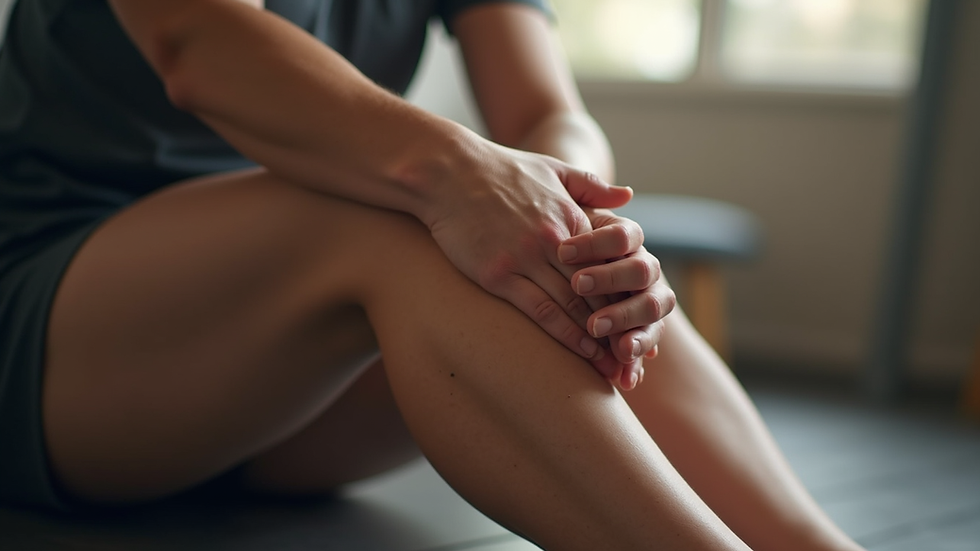
Close-up view of a runner's calf muscle being massaged to relieve tension
How Sports Massage Supports Recovery and Performance
Recovery is a critical component of any training program. After intense runs or races, muscles experience micro-tears and inflammation. Sports massage accelerates the healing process by stimulating circulation and lymphatic drainage. This helps reduce swelling and promotes the delivery of essential nutrients to damaged tissues.
In addition to recovery, sports massage enhances performance by:
Improving muscle elasticity: Flexible muscles contract more efficiently, reducing energy expenditure.
Balancing muscle groups: Targeting tight or overworked muscles helps maintain symmetry and proper biomechanics.
Reducing fatigue: Massage can decrease muscle stiffness and improve overall comfort during runs.
For example, a runner experiencing tight hamstrings may find that regular massage sessions improve stride length and reduce the risk of strains. Similarly, addressing calf muscle tension can prevent Achilles tendon issues.
Incorporating massage before races can also prepare muscles for optimal function, while post-race massage aids in quicker recovery.
Does Massage Help Muscle Atrophy?
Muscle atrophy, the loss of muscle mass due to inactivity or injury, is a concern for many athletes during periods of reduced training. While massage alone cannot rebuild muscle tissue, it plays a supportive role in preventing and managing atrophy.
Massage helps by:
Stimulating blood flow: Increased circulation nourishes muscles and surrounding tissues.
Reducing muscle stiffness: Keeping muscles pliable prevents further deterioration.
Enhancing neuromuscular activation: Massage can improve muscle tone and responsiveness.
For runners recovering from injury or surgery, combining massage with physical therapy and strength training is essential. Massage prepares muscles for rehabilitation exercises and helps maintain some level of function during immobilisation.
Therefore, while massage is not a standalone treatment for muscle atrophy, it is a valuable adjunct in comprehensive recovery plans.

Eye-level view of a sports therapist performing leg massage to support muscle recovery
Practical Tips for Incorporating Sports Massage into Running Routines
To maximise the benefits of sports massage, runners should consider the following practical recommendations:
Schedule regular sessions: Consistency is key. Aim for massage every 2-4 weeks depending on training intensity.
Communicate with your therapist: Share your training schedule, injury history, and specific areas of concern.
Combine with self-care: Use foam rolling and stretching between sessions to maintain muscle health.
Use pre-race massage cautiously: Light massage can warm muscles, but avoid deep tissue work immediately before competition.
Post-race massage: Gentle massage within 24-48 hours after races helps reduce soreness and inflammation.
Additionally, runners should listen to their bodies and seek massage therapy when experiencing persistent tightness or discomfort. Early intervention can prevent minor issues from becoming serious injuries.
Beyond Physical Benefits: Mental and Emotional Advantages
Sports massage offers more than just physical relief. The mental and emotional benefits are equally important for runners who face the pressures of training and competition.
Stress reduction: Massage lowers cortisol levels, helping to manage anxiety and improve focus.
Improved sleep quality: Relaxation from massage promotes better rest, essential for recovery.
Enhanced motivation: Feeling physically and mentally refreshed encourages consistent training.
These holistic effects contribute to overall wellbeing, making sports massage a valuable tool for sustaining long-term athletic performance.
Embracing the Full Spectrum of Runner Massage Benefits
Integrating sports massage into a running regimen supports recovery, enhances performance, and helps prevent injuries. By addressing muscle tightness, improving circulation, and promoting relaxation, massage therapy enables runners to train smarter and recover faster.
For those looking to optimise their running experience, exploring the benefits of sports massage for runners can be a game-changer. Combining expert massage techniques with tailored recovery plans ensures that every stride is supported by a strong, flexible, and resilient body.
Whether preparing for a race or maintaining fitness, sports massage is a powerful ally in achieving running goals and enjoying the journey with less pain and greater confidence.

Comments