


The Role of Massage Therapy in Detoxification and Circulation
Updated: Sep 7
The Connection Between Massage and Detox
Massage therapy promotes detoxification by stimulating the lymphatic system and encouraging the removal of toxins from the body. The lymphatic system is essential for immune function and waste removal. When you receive a massage, the manipulation of your muscles and tissues enhances lymph fluid movement, which helps eliminate waste products and toxins.
Research shows that regular massage can reduce levels of cortisol, the hormone associated with stress. High cortisol levels can lead to inflammation and the retention of toxins. By decreasing stress through massage, you can enhance your body’s ability to detoxify itself.
Remedial massage styles, like deep tissue and lymphatic drainage massage, can also aid in stimulating circulation. Improved blood flow enhances nutrient delivery and waste elimination, facilitating the detox process.

Benefits of Massage for Circulation
Effective circulation is vital for transporting oxygen and nutrients throughout the body. Good circulation also aids in the removal of waste products. Massage can significantly improve circulation through several mechanisms.
Enhanced Blood Flow: Massage increases heart rate and expands blood vessels, allowing more blood to flow through them. Research indicates that just one massage session can increase blood flow, which is crucial in delivering oxygen to tissues and organs.
Vasodilation: When pressure is applied to the body during a massage, it causes blood vessels to dilate (expand). This vasodilation leads to improved blood flow, reducing blood pressure and promoting healing.
Promotion of New Blood Vessel Formation: Frequent massage helps stimulate the growth of new blood vessels (angiogenesis), which is vital for injury recovery and improving circulation over time.
Incorporating regular massage into your wellness routine can be a simple yet effective way to boost your body’s circulatory system.

Types of Massage Techniques for Detox and Circulation
Different types of massage therapy cater to specific needs, especially concerning detoxification and circulatory improvement. Here are some popular techniques:
Relaxing Stress Buster Massage: This is one of the most common forms of massage we provide, combining long, flowing strokes that enhance circulation and promote relaxation. This technique reduces muscle tension and helps the lymphatic system function better.
Deep Tissue Massage: Focused on deeper layers of muscle and connective tissue, deep tissue massage can help to release chronic muscle tension. By targeting muscle knots, this type of massage can alleviate tension that restricts blood flow and limits toxin release.
Lymphatic Massage: This gentle technique specifically aims to stimulate the lymphatic system, enhancing its detoxification capabilities. By using light pressure and rhythmic movements, lymphatic massage therapy encourages lymph fluid drainage and helps eliminate toxins more effectively. For more information on this type of treatment, you can explore lymphatic massage therapy.
Why Regular Sessions Matter
To truly reap the benefits of massage for detox and circulation, regular sessions are vital. Experts recommend a frequency of at least once a month, with more frequent sessions if you are dealing with chronic issues or stress.
Research supports this, suggesting that consistent massage therapy can lead to long-term improvements in circulation, lymphatic drainage, and overall detoxification. Make it a part of your self-care regimen, and see the significant benefits it can bring over time.

Practical Tips for Maximising Benefits
Taking a few additional steps can help you maximize the detoxification and circulatory benefits of your massage session:
Stay Hydrated: Drinking plenty of water before and after your massage is crucial. Water supports the detox process and helps eliminate released toxins.
Communicate Your Needs: Inform your massage therapist of any specific areas of tension or health goals you have. They can adjust techniques to meet your individual needs.
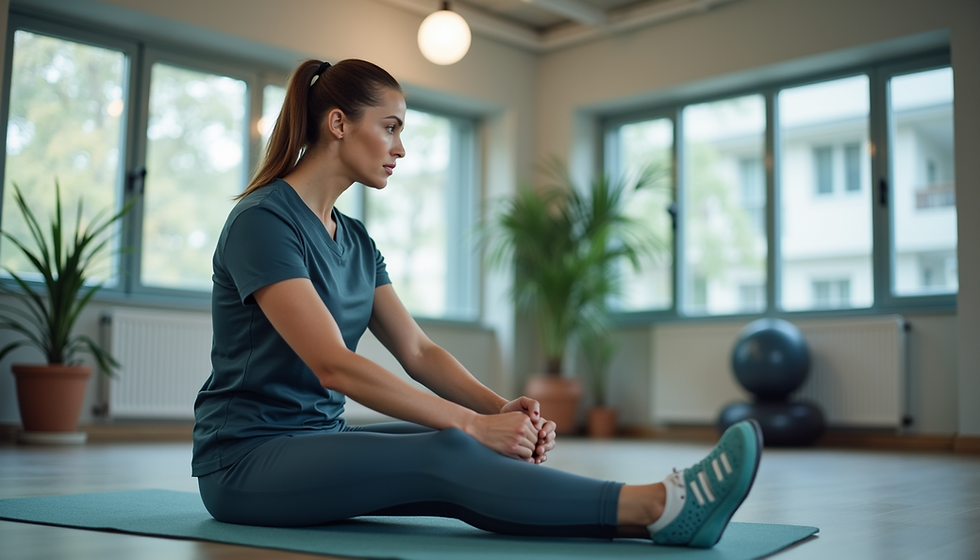
Combine with Other Practices: Consider supporting your massage therapy with other healthy practices such as yoga, which also promotes proper circulation and detoxification.
Choose Your Environment Wisely: The quality of your massage space matters. Serene, calming environments can enhance relaxation, making your massage more effective.
Overall, they can encourage both physical and mental wellness, leading to a holistic sense of health and vitality.
Bringing It All Together
Massage therapy is more than just a luxury; it’s a potential catalyst for detoxification and improved circulation. As we explored in this post, different techniques can aid in flushing toxins out of the body and optimising blood flow.
Incorporating regular massage into your wellness routine is an excellent strategy for promoting your health. Whether you prefer deep tissue, Relaxing Stress Buster, or lymphatic techniques, each approach offers unique benefits. Coupled with proper hydration and self-care practices, massage can enrich your life by improving your body’s detox and circulatory processes, leading to enhanced overall well-being.
Remember to prioritise your health and wellness, and consider making massage a regular part of your lifestyle. Your body will thank you for it!
Additional Insights on Massage Therapy
Understanding the Science Behind Massage
Massage therapy is not just about relaxation; it has a scientific basis. Studies have shown that massage can affect the body at a cellular level. It can enhance the production of serotonin, a neurotransmitter that contributes to feelings of well-being and happiness. This biochemical response can lead to reduced anxiety and improved mood, making massage therapy an effective tool for mental health as well.
The Importance of Professional Guidance
While self-massage techniques can be beneficial, seeking professional help is crucial for addressing specific issues. A qualified massage therapist can assess your needs and tailor the treatment accordingly. They can identify problem areas and apply techniques that you might not be able to do on your own. This professional touch can make a significant difference in your recovery and overall health.
Integrating Massage with Other Wellness Practices
To achieve optimal health, consider integrating massage therapy with other wellness practices. Nutrition, exercise, and mental health care all play a role in your overall well-being. A holistic approach ensures that you are not only addressing physical issues but also nurturing your mental and emotional health.
Conclusion
In conclusion, massage therapy offers numerous benefits for detoxification and circulation. By understanding the various techniques and their effects, you can make informed choices about your wellness journey. Regular sessions, combined with a holistic approach to health, can lead to lasting improvements in your quality of life.
Embrace the power of massage therapy and make it a vital part of your self-care routine. Your body and mind will thank you!


Comments